
Jogulamba Temple
History & Significance
Jogulamba Temple at Alampur is one of the 18 revered Shakti Peethas in India. According to Hindu mythology, the upper teeth of Goddess Sati fell here, making it a sacred pilgrimage site. The original temple was built during the 7th century by the Badami Chalukyas. It was destroyed during invasions in the 14th century and later rebuilt, with the present temple inaugurated in 2005.According to Hindu mythology, when Goddess Sati sacrificed herself in the yajna conducted by her father Daksha, Lord Shiva carried her body across the universe.During this journey, parts of her body fell at different locations, which later became Shakti Peethas.
Visitors are captivated by the temple’s stunning architecture, intricate carvings. The temple complex is especially vibrant during Navaratri and other Hindu festivals, attracting pilgrims from across the country. The nearby Tungabhadra River enhances the scenic beauty of the location, creating a peaceful atmosphere for worship and reflection.Today, thousands of devotees visit the temple annually to seek blessings from Goddess Jogulamba.
Navabrahma Temples
History
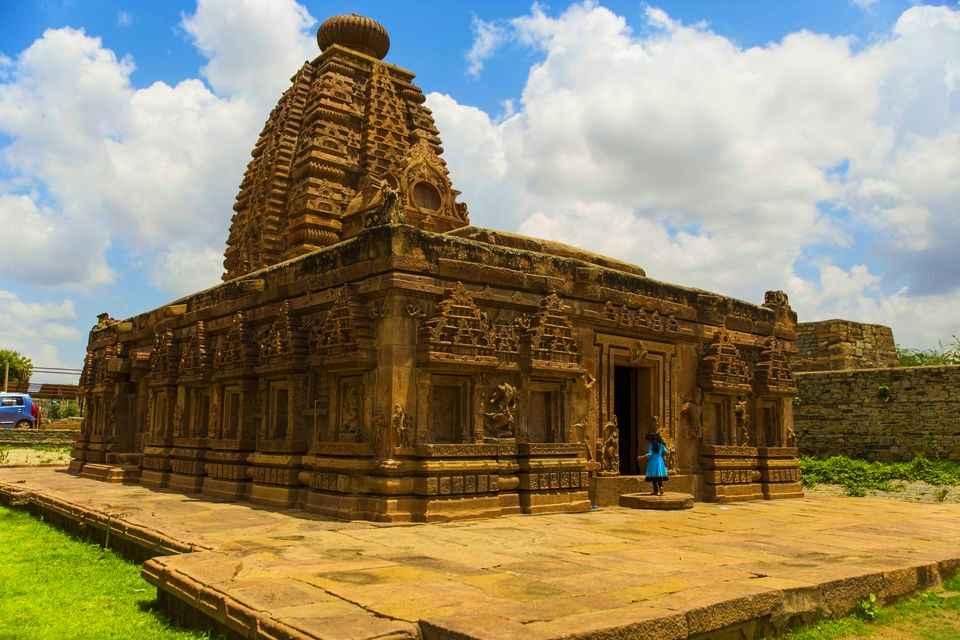
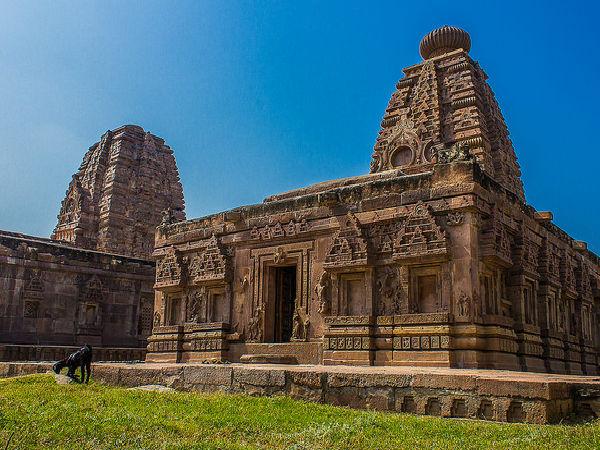
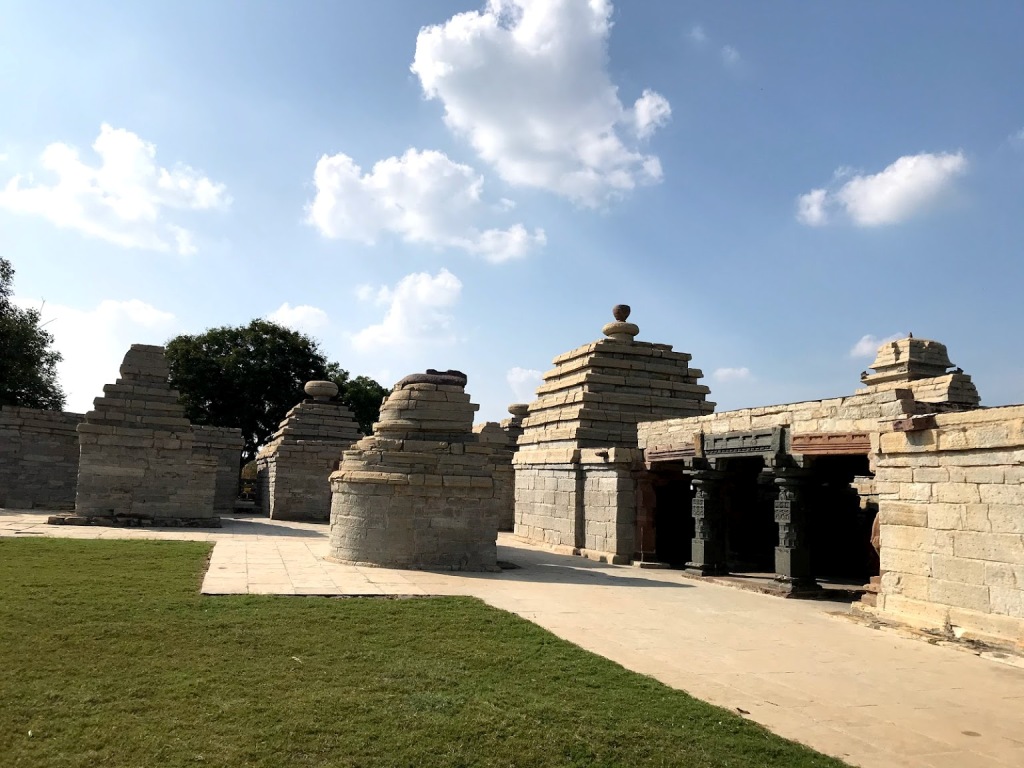
The Navabrahma Temple complex consists of nine ancient Shiva temples constructed by the Badami Chalukyas between the 7th and 8th centuries CE. These temples are among the finest examples of early Chalukyan architecture in South India and are protected archaeological monuments.these nine temples are dedicated to Lord Shiva and represent an important chapter in the architectural history of the Deccan region. Each temple bears a unique name, including Bala Brahma, Swarga Brahma, Arka Brahma, and Garuda Brahma.
These temples showcase a fascinating blend of North Indian Nagara and South Indian Dravidian architectural styles. The walls and pillars are adorned with detailed carvings depicting scenes from Hindu mythology, celestial beings, and ancient cultural traditions. Due to their historical and artistic importance, the temples are protected monuments and attract historians, archaeologists, and architecture enthusiasts.Walking through the Navabrahma Temple complex feels like stepping back in time.Visitors can admire beautifully sculpted pillars, intricately carved gateways, and ancient inscriptions that reveal the rich cultural heritage of Telangana.
Gadwal Fort
History
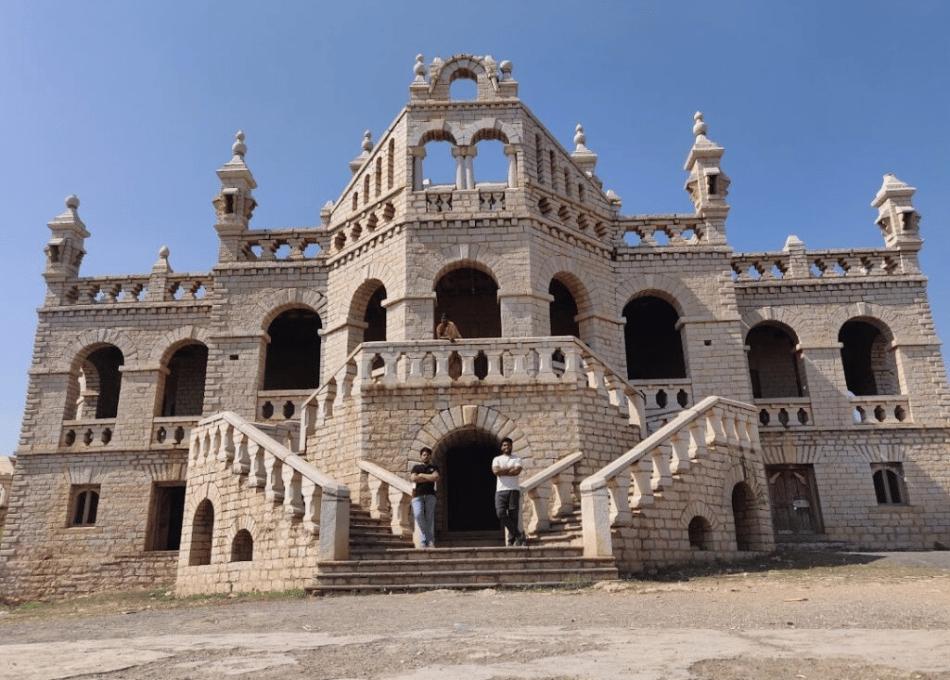
Gadwal Fort was constructed during the 17th century by Raja Peda Soma Bhupaludu, ruler of the Gadwal Samsthanam. The fort served as the administrative center of the kingdom and features massive walls, historic temples, royal structures, and ancient cannons. It remains one of Telangana’s significant historical landmarks.The fort is spread across a vast area and features massive defensive walls, ancient gateways, temples, royal residences, and watchtowers.
The architecture reflects a blend of local craftsmanship and military engineering techniques of the period. Within the fort complex lies the historic Chennakesava Swamy Temple, which remains an important religious site.Visitors can explore the fort’s grand entrance, ancient structures, and remnants of royal life. The fort offers a glimpse into the lifestyle of the Gadwal rulers and the strategic importance of the region during medieval times. one of the prominent princely estates in the Deccan. The rulers of Gadwal were known for their contributions to culture, literature, and handloom weaving traditions that continue to thrive today.
Beechupally Hanuman Temple
History
Located on the banks of the Krishna River, Beechupally Hanuman Temple is one of the most popular Hanuman shrines in Telangana. For centuries, devotees traveling between Telangana, Karnataka, and Andhra Pradesh have visited this sacred temple seeking blessings from Lord Hanuman.Situated on the banks of the Krishna River, the temple is dedicated to Lord Hanuman and has been a center of devotion for centuries. Local legends suggest that the idol of Hanuman possesses divine powers and has protected devotees and travelers who pass through the region.
The temple gained prominence due to its strategic location along major travel routes connecting Telangana, Andhra Pradesh, and Karnataka. Over time, it evolved into a major pilgrimage center, attracting thousands of devotees every year, especially during Hanuman Jayanti and other religious festivals.The temple’s serene riverside setting offers visitors a unique blend of spirituality and natural beauty. Pilgrims often take holy dips in the Krishna River before offering prayers.The peaceful surroundings, temple rituals, and scenic river views make Beechupally a memorable destination for both devotees and tourists.
Priyadarshini Jurala Dam
History
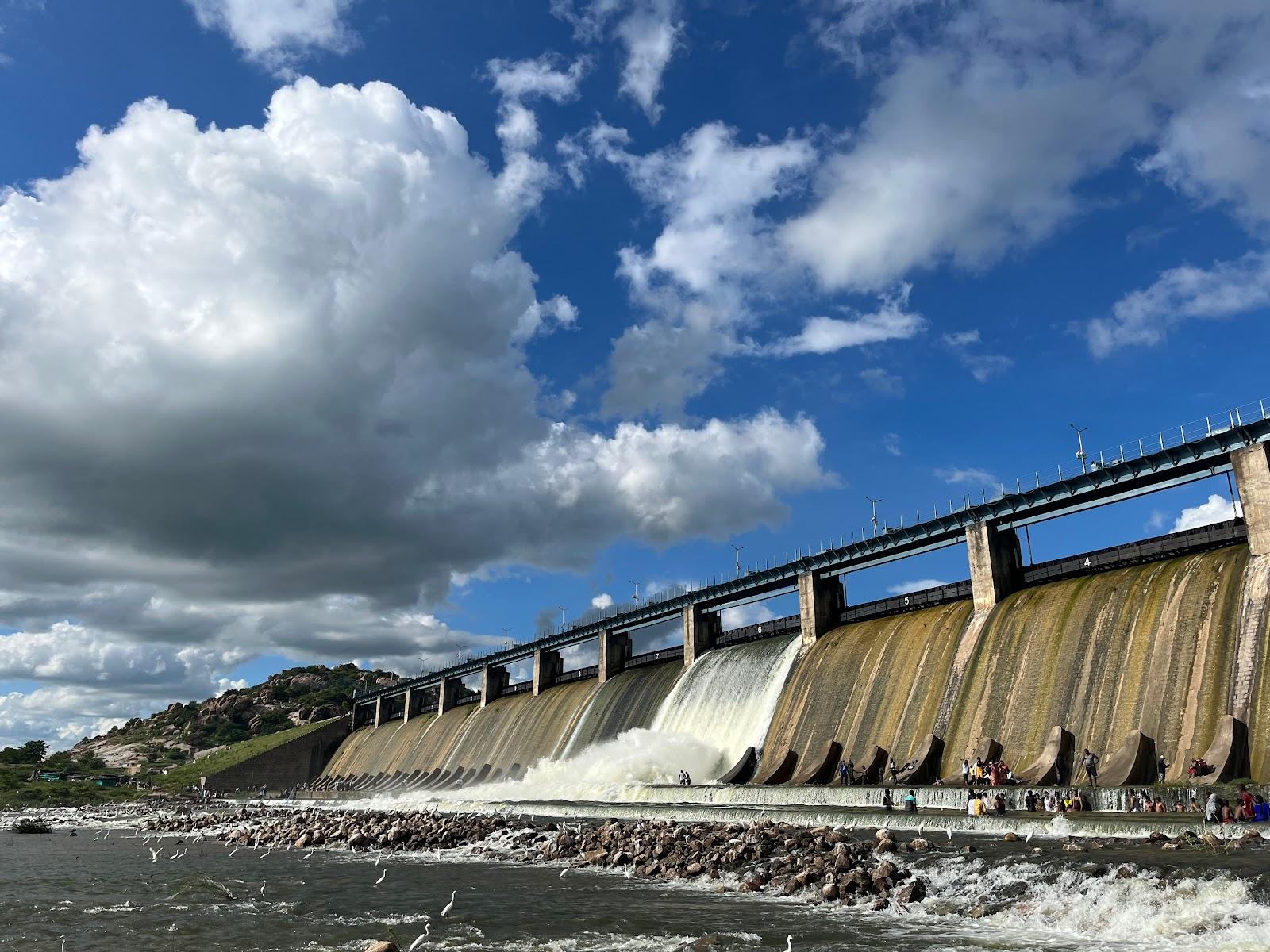
The Priyadarshini Jurala Project was built across the Krishna River to provide irrigation, hydroelectric power generation, and drinking water to the region. Over time, it has become a major tourist attraction due to its scenic reservoir and impressive engineering structure.Since its completion, the reservoir created by the dam has transformed the surrounding landscape, supporting agriculture and providing livelihoods to local communities. The vast water body and surrounding greenery have also made the area a popular tourist destination.
Visitors are drawn to the breathtaking views of the reservoir, especially during the monsoon season when the spillway gates are opened and water gushes dramatically through the dam. The location is ideal for family outings, photography, and nature appreciation. Sunset views over the Krishna River are particularly spectacular, making Jurala Dam.Constructed across the Krishna River, the project was designed to provide irrigation water to agricultural lands, generate electricity, and support regional development. The dam represents a significant achievement in engineering and water resource management.Sunset views over the Krishna River are particularly spectacular, making Jurala Dam one of the most picturesque spots in Jogulamba Gadwal District.
Papanasi temple
History
The Papanasi Temple in Alampur is one of the most important historical temple complexes in Jogulamba Gadwal district. Located about 2 kilometers from Alampur town, the temple group consists of 23 ancient Hindu temples dedicated mainly to Lord Shiva. These temples were built between the 9th and 11th centuries by the Rashtrakuta and Chalukya dynasties and are famous for their beautiful stone carvings and unique architecture.
The main shrine, known as Papanaseswara Temple, is the largest among the group and is dedicated to Lord Shiva in his Nataraja form. The temples follow the Nagara style of architecture, featuring intricate sculptures, carved pillars, and decorative ceilings depicting scenes from Hindu mythology. One of the unique features of the temple complex is the inclusion of Buddha in the Dashavatara panel, which is considered a rare artistic representation.
Originally, the temples were situated on the banks of the Tungabhadra River near its confluence with the Krishna River. During the construction of the Srisailam Dam, the Archaeological Survey of India relocated and restored the temples to higher ground to protect them from submersion.
Suggested One-Day Travel Plan
Start with Alampur Heritage
Begin the day at Alampur and explore the historic temple surroundings. Spend the morning experiencing the spiritual atmosphere and architectural heritage of the region.
Explore Navabrahma Temples
Continue your visit around the historic Navabrahma temple complex. Visitors can observe traditional stone architecture, sculptures and the cultural heritage of Alampur.
Lunch & Local Exploration
Take a break for lunch and explore the surrounding local area. Visitors can experience the everyday atmosphere, local food and culture of the district.
Explore a Nearby Scenic Attraction
Depending on the route and available time, visitors can continue towards a nearby scenic or heritage attraction, such as the Jurala Project region.
Return Towards Gadwal
Complete the day by returning towards Gadwal town. Visitors can explore local markets and experience the district's handloom and cultural identity before finishing their trip.
Plan According to Your Route
Travel time between attractions can vary depending on the starting point, road conditions and local transport. Visitors are advised to plan their route in advance and allow additional time during festivals and busy days.